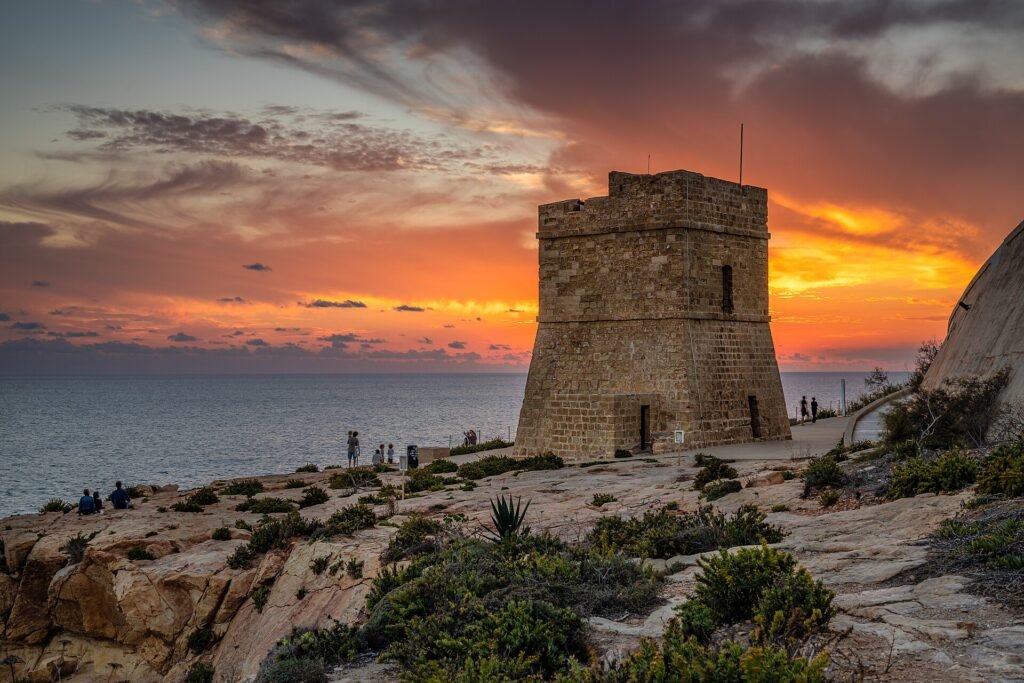
Malta is one of the sunniest countries in Europe, with around 3,000 hours of sunshine a year, hot dry summers and mild, short winters. But the weather changes a lot between seasons, so the best month to visit depends on what you want to do. Here’s what the weather in Malta is like month by month, with temperatures, sea temperatures, rain and what to pack.
Malta weather at a glance
- Hottest months: July and August, with highs of about 32°C
- Coolest months: January and February, with highs of about 16°C
- Warmest sea: August and September, about 25 to 26°C
- Wettest months: November to January
- Driest months: June to August, with almost no rain
- Best all-round months: May, June, September and October
Malta climate table
| Month | Avg high | Avg low | Sea | Rain | Rainy days | Sunshine |
|---|---|---|---|---|---|---|
| January | 16°C | 10°C | 15°C | 79 mm | 10 | 5.5 h/day |
| February | 16°C | 10°C | 15°C | 73 mm | 8 | 6.4 h/day |
| March | 17°C | 11°C | 15°C | 45 mm | 6 | 7.3 h/day |
| April | 20°C | 13°C | 16°C | 21 mm | 4 | 8.5 h/day |
| May | 24°C | 16°C | 18°C | 11 mm | 2 | 10 h/day |
| June | 29°C | 20°C | 21°C | 6 mm | 1 | 11.2 h/day |
| July | 32°C | 22°C | 24°C | 0 mm | 0 | 12.2 h/day |
| August | 32°C | 23°C | 26°C | 17 mm | 1 | 11.4 h/day |
| September | 29°C | 21°C | 25°C | 61 mm | 4 | 9 h/day |
| October | 25°C | 18°C | 23°C | 82 mm | 7 | 7.2 h/day |
| November | 21°C | 15°C | 21°C | 91 mm | 9 | 6.5 h/day |
| December | 17°C | 12°C | 17°C | 94 mm | 10 | 5.2 h/day |
Malta weather by season
Spring (March to May)
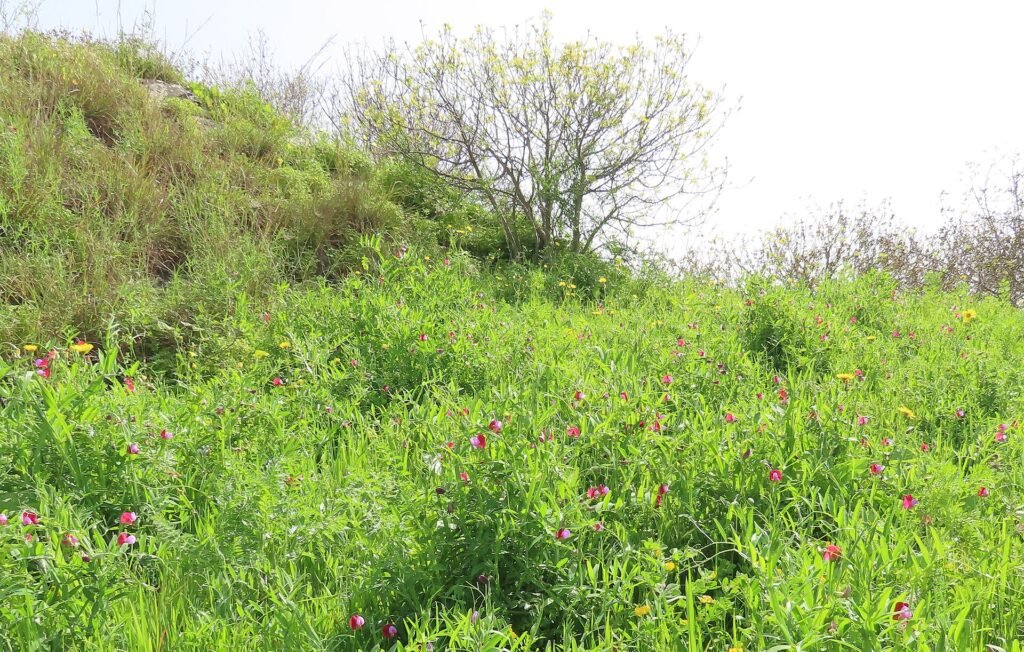
Spring is warm, sunny and green, with wildflowers in the countryside. It’s ideal for sightseeing and hiking. The sea is still cool until late May.
Summer (June to August)
Hot, dry and sunny, with almost no rain. Perfect for beaches, boat trips and festas, but the midday heat can be intense, so plan sightseeing for mornings and evenings.
Autumn (September to November)
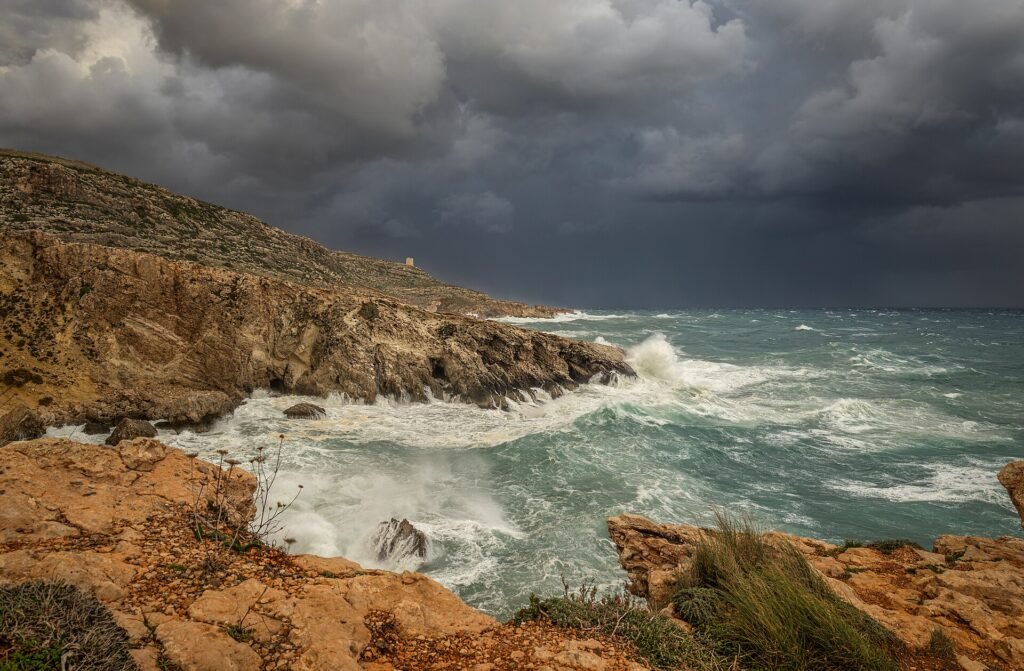
The sea is at its warmest in September, and October is still warm. Autumn brings the first storms, usually short and heavy, and the start of the winter events season.
Winter (December to February)
Mild compared with the rest of Europe, with plenty of sunny days between rainy spells. It can feel cold indoors, as many buildings have no central heating, and the wind can be strong. See our guide to things to do in Malta in winter.

Malta weather month by month
January: cool and changeable
The coolest month, with highs around 16°C and nights around 10°C. Expect some rainy and windy days, but plenty of sunshine too. Few tourists and low prices. Events: the Valletta Baroque Festival.
February: cool, with the first signs of spring
Similar to January but often drier. Almond trees blossom in the countryside. Events: Carnival and the Feast of St Paul’s Shipwreck (10 February).
March: mild and green
Highs around 17°C, with fewer rainy days. Great for walking and the countryside is at its greenest. Events: Holy Week processions in some years, when Easter is early.
April: warm and pleasant
Highs around 20°C and long sunny days. The sea is still cool at about 16°C. Events: Easter traditions and the Malta International Fireworks Festival.
May: warm and sunny
Highs around 24°C, little rain and very pleasant evenings. One of the best months to visit. Brave swimmers start to swim. Events: the start of the festa season.
June: hot and sunny
Highs around 29°C and the sea warms up to about 21°C. Beach season is in full swing. Events: festas, open-air concerts and summer parties.
July: very hot and dry
Highs around 32°C and almost no rain. Busy beaches and lively nightlife. Stay hydrated. Events: festas every weekend, music festivals and beach parties.
August: the hottest month
Highs around 32°C, warm nights and a warm sea of about 26°C. Very busy with visitors. Events: the Santa Marija feasts on 15 August and big summer festivals.
September: hot with a warm sea
Still hot, with highs around 29°C, and the sea is at its warmest. The first autumn storms can arrive. Events: Independence Day (21 September) and late-summer festivals.
October: warm and pleasant
Highs around 25°C and a sea still warm enough for swimming. Some heavy showers. Events: Notte Bianca, BirguFest and the Rolex Middle Sea Race. See our October events guide.
November: mild with some rain
Highs around 21°C and a sea of about 21°C. One of the wetter months, but rain usually comes in short bursts. Events: see our November events guide and Malta in November.
December: mild and festive
Highs around 17°C, with rain and wind on some days. Christmas lights and markets make it a lovely time to visit. Events: see our Christmas in Malta guide and New Year’s Eve in Malta.
What to pack for Malta
- Summer: light clothes, swimwear, a hat, high-factor sunscreen and sandals
- Spring and autumn: light layers, a light jacket for evenings and a small umbrella
- Winter: a warm jacket, a jumper, waterproof shoes and an umbrella
- All year: comfortable walking shoes for Valletta’s steep streets, and modest clothing for visiting churches
Frequently asked questions
What is the best month to visit Malta?
May, June, September and October offer the best mix of warm weather, a warm sea and fewer crowds than July and August.
What is the hottest month in Malta?
August, closely followed by July, with average highs of about 32°C.
Does it rain a lot in Malta?
No. Most rain falls between October and February, often in short heavy showers. Summers are almost completely dry.
When can you swim in the sea in Malta?
From about late May to early November, when the sea is above 20°C. Some people swim all year round.
Is Malta warm in winter?
It’s mild rather than warm, with daytime highs of about 16 to 17°C in December to February. Sunny winter days can feel pleasantly warm.
Plan your trip
Whatever the season, there’s always something on. Check our Malta events calendar for your travel dates, and see the best things to do in Malta.